




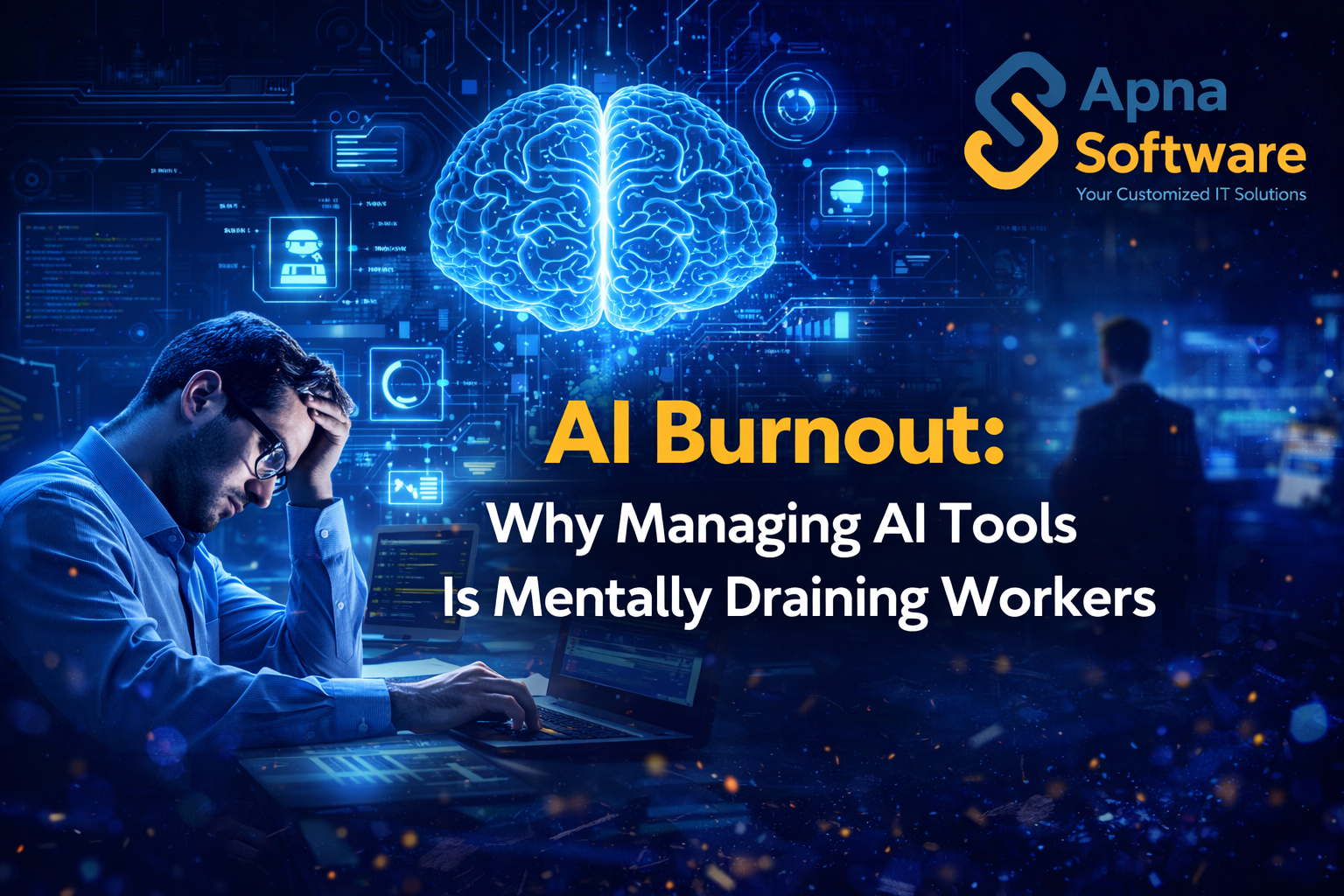
AI Burnout: Why Managing AI Tools Is Mentally Draining Workers
Artificial Intelligence has transformed the modern workplace by improving productivity, automating tasks, and helping companies work more efficiently. However, a new challenge is emerging alongside these benefits: AI burnout.
Many employees who rely heavily on AI tools for daily tasks are reporting mental fatigue and stress. Managing multiple AI platforms, reviewing automated outputs, and constantly adapting to new technologies can create a cognitive overload for workers.
The Rise of AI in the Workplace
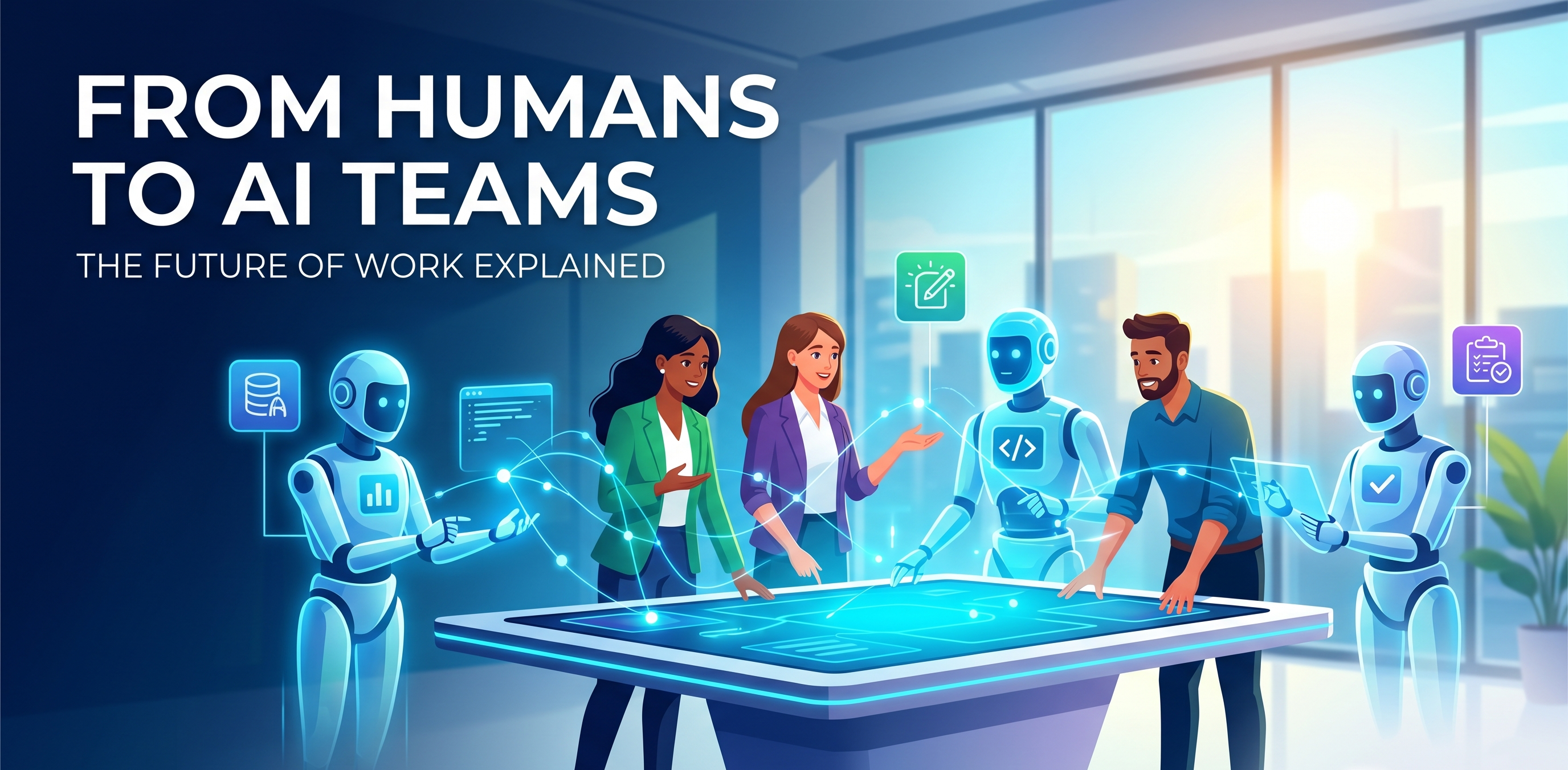
Over the past few years, companies across industries have integrated AI tools into their workflows. From writing assistants and coding tools to customer service chatbots and data analysis platforms, AI systems are now involved in many daily work processes.
While these tools promise increased productivity, they also require employees to constantly monitor, edit, and verify AI-generated content. This added responsibility can lead to mental exhaustion.
What Is AI Burnout?
AI burnout refers to the mental fatigue that workers experience when they must continuously manage, supervise, and interact with AI systems. Unlike traditional automation, modern AI tools require human oversight to ensure accuracy and quality.
This means employees are not only doing their regular tasks but also supervising AI outputs, correcting mistakes, and adjusting prompts to get better results.
Why AI Tools Can Be Mentally Draining
Several factors contribute to AI-related stress in the workplace:
- Constant need to verify AI-generated information
- Learning new AI tools and platforms frequently
- Pressure to increase productivity using AI
- Fear of being replaced by automation
- Managing multiple AI systems at once
These pressures can create an environment where workers feel overwhelmed and mentally exhausted.
The Psychological Impact on Workers
Studies suggest that employees who depend heavily on AI tools may experience higher levels of stress, anxiety, and mental fatigue. The pressure to keep up with rapidly evolving technology can make workers feel constantly behind.
Some employees report feeling like they must work faster and produce more results simply because AI tools exist.
How Companies Can Reduce AI Burnout
Organizations can take several steps to ensure AI tools help employees rather than overwhelm them:
- Provide proper training for AI systems
- Limit the number of tools employees must manage
- Encourage balanced workloads
- Focus on human creativity rather than only automation
When implemented correctly, AI should support workers instead of replacing their thinking process.
Conclusion
Artificial Intelligence is undoubtedly transforming the future of work, but it also introduces new challenges for employees. AI burnout highlights the importance of balancing technology with human well-being.
As companies continue to adopt AI tools, they must ensure that these technologies improve productivity without overwhelming the people who use them every day.