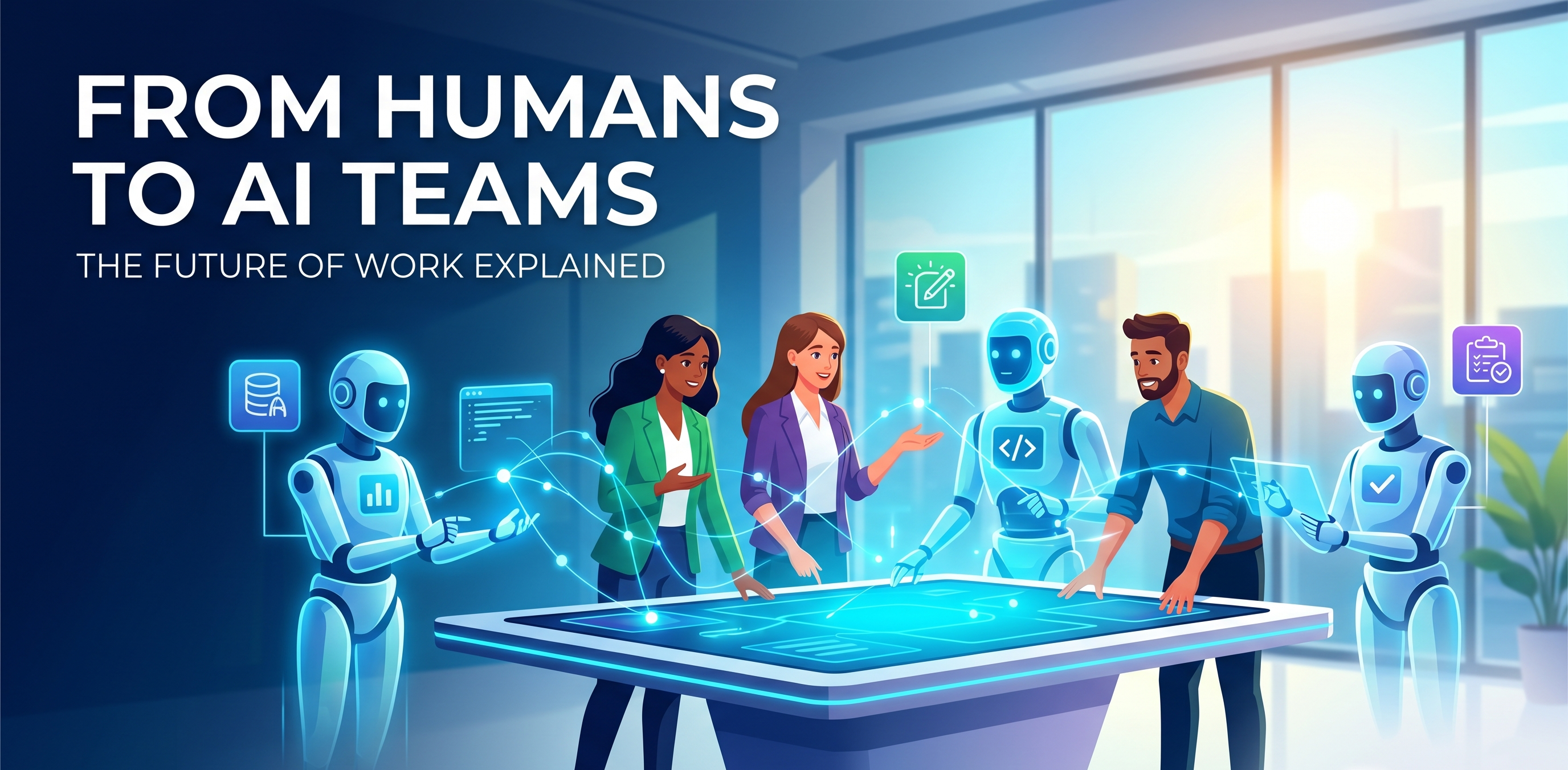






The business world is rapidly transforming as artificial intelligence continues to evolve. Over the past few years, companies have started integrating AI into their operations, but a new wave of innovation is now taking center stage—AI-first startups. These startups are not just using AI as a support tool; they are building their entire business model around automation.
As we move closer to 2027, automation is expected to become the backbone of successful businesses. Companies that embrace AI-driven systems will lead the market, while those relying on traditional methods may struggle to keep up in an increasingly competitive environment.
What Are AI-First Startups?
AI-first startups are businesses where artificial intelligence plays a central role in operations, decision-making, and customer interaction. These companies rely on automation to streamline processes and maximize efficiency.
- AI-powered customer support systems
- Automated marketing and analytics tools
- Real-time data-driven decision-making
- Minimal manual intervention in workflows
This approach allows startups to operate faster, reduce costs, and scale more effectively than traditional business models.
Why 2027 Will Be the Year of Automation
1. Rapid Advancement in AI Technology
Artificial intelligence is evolving at an unprecedented rate. By 2027, AI systems will be more intelligent, accessible, and capable of handling complex business operations.
2. Cost Efficiency and Scalability
Automation significantly reduces operational costs by minimizing the need for large teams. Businesses can scale quickly without a proportional increase in expenses.
3. Speed as a Competitive Advantage
In the digital era, speed determines success. AI enables businesses to make instant decisions, launch products faster, and respond to customer needs in real time.
4. Increasing Demand for Digital Experiences
Modern consumers expect fast, personalized, and seamless experiences. AI helps businesses meet these expectations efficiently and consistently.
Key Areas Where Automation Is Taking Over
Customer Support
AI chatbots and virtual assistants are providing 24/7 support, reducing the need for large customer service teams.
Marketing
AI tools analyze user behavior and automatically optimize campaigns, improving engagement and conversion rates.
Finance
Automation is simplifying financial processes such as accounting, reporting, and fraud detection.
Product Development
AI accelerates development cycles by automating testing, identifying bugs, and suggesting improvements.
Benefits of AI-First Startups
- Lower Costs: Reduced dependency on manual labor
- Higher Efficiency: Faster and more accurate operations
- Scalability: Easy growth without major investment
- Better Decision-Making: Data-driven insights
Challenges of AI-Driven Businesses
- High initial setup and implementation costs
- Dependence on technology and infrastructure
- Data privacy and ethical concerns
Future Opportunities for Entrepreneurs
The rise of AI-first startups presents massive opportunities for entrepreneurs. Those who understand and adopt AI early can build highly scalable and profitable businesses.
- Building AI-based SaaS products
- Launching automation-driven services
- Creating AI-powered mobile applications
- Offering AI consulting and solutions
Conclusion
AI-first startups are not just a trend—they represent the future of business. As automation continues to evolve, companies that embrace AI will gain a significant competitive edge. By 2027, automation will redefine how businesses operate, innovate, and grow.
Entrepreneurs and professionals who adapt to this shift early will be best positioned to succeed in the rapidly changing digital landscape.